Relocating to Hayden Idaho: What Home Buyers Should Know
June 18, 2026
June 18, 2026
Thinking about relocating to Hayden, Idaho? If you want more space, four true seasons, and a home base that feels quieter than a dense city while still keeping daily essentials and regional travel within reach, Hayden deserves a close look. The challenge, of course, is knowing how to buy smart in a market that moves quickly and offers everything from townhomes to larger-lot homes and land. This guide will help you understand what Hayden feels like, how the housing market works, and what to pay attention to before you move. Let’s dive in.
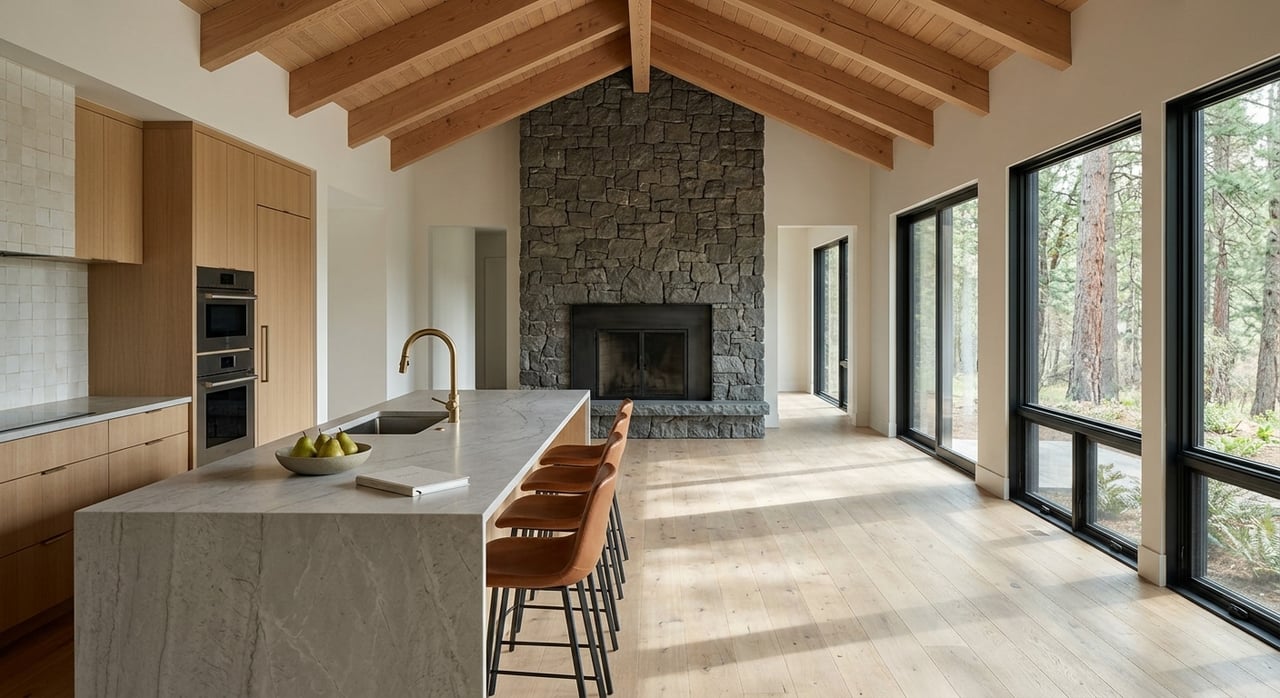
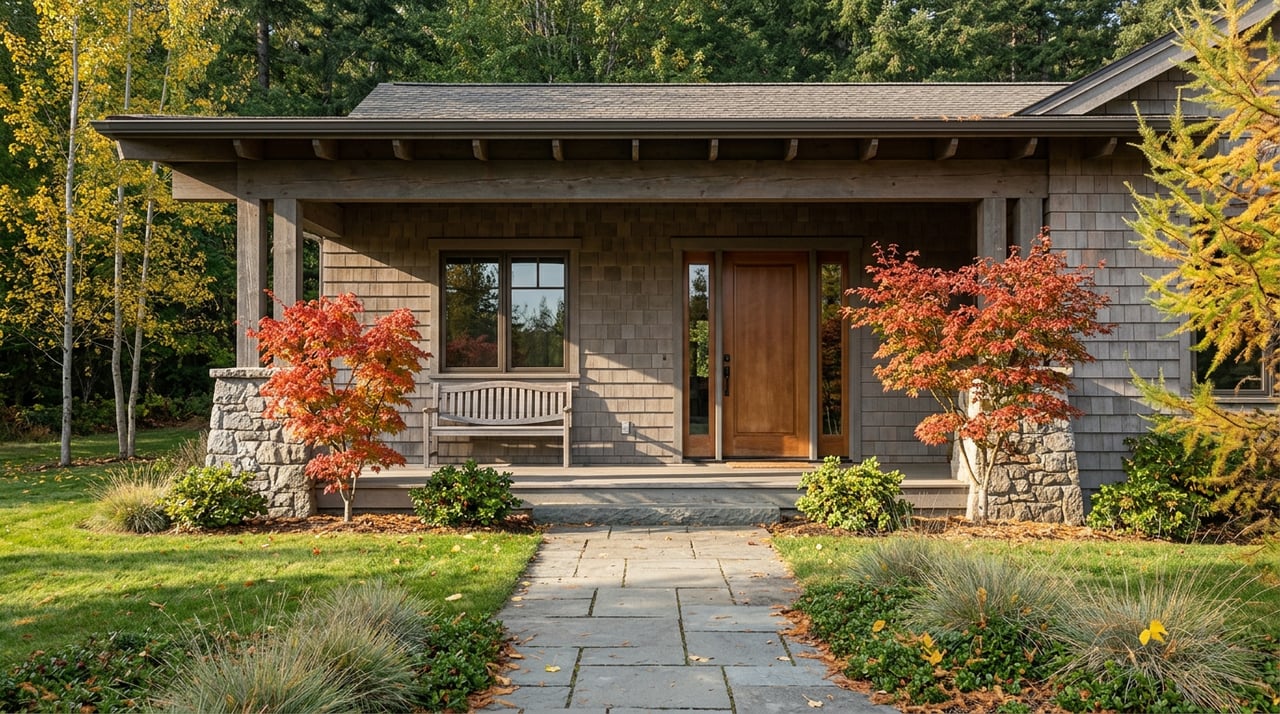
Hayden offers a lower-density residential feel that stands out for buyers who want room to spread out. City planning materials place strong emphasis on single-family homes, including homes on larger suburban lots, and that lines up with the listing mix you see in the market today.
At the same time, Hayden is not limited to one type of property. Current listings include single-family homes, townhomes, condos, duplexes, triplexes, land, and new construction, which gives you more flexibility if you are deciding between a move-in-ready home, a lower-maintenance option, or a longer-term custom-build plan.
For many relocation buyers, that flexibility matters. You may be looking for a full-time residence, a lifestyle move with more land, or a home that balances everyday comfort with long-term value. Hayden can support each of those goals depending on your budget and priorities.
Hayden remains an active market where preparation matters. As of May 31, 2026, Zillow reported an average home value of $646,085, up 2.4% year over year, with 153 homes for sale and homes going pending in about 12 days.
That pace is important if you are moving from out of the area. A home that fits your needs may not sit long, so your search process should be organized before you make your first trip or schedule your first round of showings.
The same market data showed a median sale price of $529,141 and a median list price of $819,750. That spread suggests Hayden includes a wide range of properties, from smaller or attached homes in the mid-hundreds of thousands to larger and more design-driven properties priced well above $1 million.
If you are relocating, it helps to define your lane early. In Hayden, that usually means deciding whether you are primarily focused on:
A clear plan makes it easier to act quickly when the right property appears.
Hayden is part of a North Idaho setting where daily life is shaped by both convenience and seasonality. You are not choosing an urban, walk-everywhere environment. You are choosing a community where driving is part of normal life and where the home itself often plays a bigger role in your lifestyle.
Regional travel-survey data used in Hayden’s planning work found that 49% of recreation trips in Kootenai County were classified as outdoor recreation. That does not mean every buyer moves for the same reason, but it does reflect a local rhythm where weather, outdoor access, and seasonal routines are part of ordinary life.
For many buyers, that is a major draw. A home in Hayden can offer a different pace and setting, especially if you value space, scenery, and a strong connection to the outdoors.
If you are coming from a milder climate, Hayden’s weather deserves serious attention. NOAA monthly normals for nearby Coeur d’Alene show January average highs of 36.2°F and lows of 26.2°F, while July averages 82.8°F for highs and 57.3°F for lows.
Annual precipitation is 25.36 inches, and annual snowfall is 31.6 inches. In simple terms, Hayden has four real seasons, with cold and snowy winters and warm summers.
That seasonal shift affects how you evaluate homes. A property that feels perfect on a sunny summer afternoon may need a closer look if it has a long driveway, steeper access, or exposure that could become more challenging in winter conditions.
When touring homes in Hayden, pay attention to practical winter questions such as:
The City of Hayden notes that it may post road weight and speed limits in changing climatic conditions, and it identifies several all-weather roads that remain open when restrictions are in force. That makes winter access more than a minor detail when you are choosing where to live.
Hayden’s road system is shaped by major corridors rather than a compact street grid. According to the city’s transportation planning, US-95 runs north-south through Hayden, and major arterials include Ramsey Road, Government Way, Strahorn Road, Lancaster Road, Wyoming Avenue, Miles Avenue, Hayden Avenue, Honeysuckle Avenue, and Prairie Avenue.
That matters because your daily experience will often depend on route choice as much as raw distance. A home may look close on a map, but your actual routine will be shaped by when you travel, which corridors you use, and how those roads function during busy periods.
Hayden’s transportation plan also reported more than 20,000 combined AM and PM peak-hour trips in 2018 tied to work, shopping, school, recreation, and other daily purposes. Even in a smaller city, traffic patterns are real, so it helps to test routes instead of relying on assumptions.
If possible, use your visit to Hayden to do more than see interiors. Drive the routes you would actually use for:
This kind of on-the-ground check can tell you more than an online map ever will.
Regional access is one of Hayden’s practical advantages. Coeur d’Alene Airport is located in Hayden at 10375 Sensor Avenue on 1,100 acres, and Kootenai County notes that it is just minutes from downtown Coeur d’Alene, has a full ILS approach, on-site weather observation, and state-of-the-art snow removal.
For broader passenger travel, Spokane International Airport is the region’s primary commercial airport. Spokane Airports describes it as a 6,000-acre commercial service airport served by six airlines and three cargo carriers.
For relocation buyers, this combination can be appealing. You can enjoy a quieter North Idaho home base while still maintaining practical access for regional and out-of-state travel.
Many Hayden buyers begin their search remotely, and the market supports that approach better than you might expect. Live listings commonly include 3D tours and filters for different property types, making it possible to narrow your options before you arrive.
That said, virtual browsing is only the first step. In a market where homes can go pending in about 12 days, your remote search needs to be paired with a clear decision framework and strong local coordination.
A smart distance-buying process usually starts with identifying your non-negotiables. Focus first on home type, budget range, lot needs, commute priorities, and whether you want a move-in-ready property or something with future design potential.
A more efficient relocation plan often looks like this:
This approach is especially useful in Hayden because it helps you cover market pace, commute reality, and property fit in one streamlined process.
Relocation buyers sometimes focus so much on the move itself that they underestimate the final transaction details. The Consumer Financial Protection Bureau says the closing is the final step in buying and financing a home and recommends a final walk-through before signing.
The same source notes that closings can involve the lender, title insurance company, escrow company, and sometimes an attorney. If you are buying from out of area, good coordination and careful document review become especially important.
You should also plan for closing costs in addition to your down payment. The CFPB says closing costs typically run about 2% to 5% of the purchase price, so the cash needed at closing can rise quickly as home prices rise.
Idaho’s notary rules support distance-friendly transactions. The Idaho Secretary of State says commissioned notaries may become authorized to perform electronic notarizations, and the Idaho Notary Handbook outlines requirements for remote online notarization.
In practical terms, remote closings are possible when the lender, title company, and notary are set up for the same process. If you are planning a move from another state, it helps to confirm that workflow early rather than waiting until the final week.
When you relocate, the biggest risk is not always the house itself. It is the gap between how a property looks online and how it functions in real life.
That is why practical, on-the-ground verification matters so much in Hayden. You want to know whether a home feels quiet at different times of day, whether winter access is manageable, whether the layout supports your long-term plans, and whether the property fits your lifestyle as well as your budget.
For buyers considering larger homes, acreage, or architecturally distinctive properties, this step becomes even more valuable. Design, site orientation, and day-to-day usability all influence whether a home will continue to feel right after the excitement of the move wears off.
Relocating to Hayden is not just about finding a house. It is about finding the right fit for your routines, your priorities, and the way you want to live in North Idaho.
That is where local perspective makes a difference. A knowledgeable advisor can help you compare property types, pressure-test remote impressions, and identify the practical details that matter most once you are living in the home full time.
For buyers who value thoughtful guidance, design awareness, and a calm, informed approach to relocation, Hayden offers real opportunity. If you are planning a move and want help narrowing your options, evaluating fit, and navigating the process with confidence, Stephen Vachon is a trusted resource for Hayden and the surrounding North Idaho market.
Stay up to date on the latest real estate trends.
Work with a trusted local expert dedicated to helping you navigate the market and achieve your real estate goals. Get personalized real estate support from start to finish, whether you’re buying, selling, or relocating in Coeur d’Alene.
STEPHEN H. VACHON
223 E Sherman Ave Coeur d'Alene, ID 83814