Coeur d'Alene Lakefront Living: What to Expect
May 28, 2026
May 28, 2026
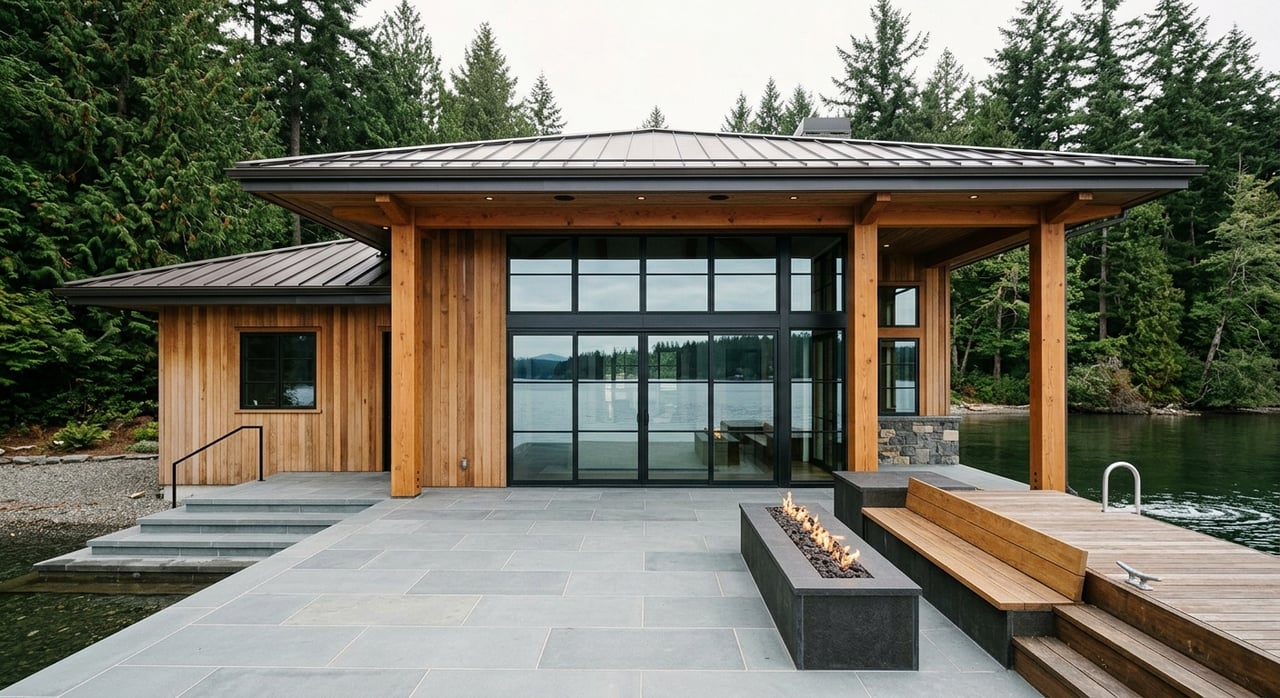
If you picture lakefront living as a single dock and a great view, Coeur d’Alene may surprise you. Here, the lake shapes how you move through the day, from morning trail walks and beach access to waterfront dining and winter shoreline views. If you are considering a move, a second home, or a property close to the water, understanding how the lake connects to parks, downtown, and everyday routines can help you choose the right fit. Let’s dive in.
Lake Coeur d’Alene is a major part of daily life in the city, not just a scenic backdrop. According to the USGS, the lake is about 35 kilometers long, up to 3.7 kilometers wide, covers about 129 square kilometers at full summer pool, and reaches depths of about 64 meters.
That scale helps explain why the lake feels so present across Coeur d’Alene. It also means lake living can take many forms, from true waterfront ownership to homes that are a short walk or drive from beaches, docks, trails, and marinas.
Another important detail is that lake level is influenced by discharges from Post Falls Dam. In practical terms, shoreline conditions and dock relationships can change over the course of the year, so the waterfront does not look exactly the same in every season.
One of the biggest decisions you may face is whether you want to live directly on the lake or simply close enough to enjoy it often. In Coeur d’Alene, that difference matters because public access is woven into the city in a way that gives many residents an easy connection to the water.
The city’s park system includes waterfront parks, city docks, beach areas, and shared-use paths. That means you do not need to own shoreline to make the lake part of your routine.
True waterfront living often offers the strongest visual connection and, depending on the property, a closer relationship to boating and shoreline use. Near-water living, on the other hand, may give you easier lock-and-leave convenience, simpler maintenance, and quick access to the same outdoor amenities that define the area.
For many buyers, the real question is not just, “Do I need to be on the water?” It is, “How do I want to experience the lake on an ordinary Tuesday?”
Coeur d’Alene has a clear four-season pattern, and that gives lakefront living a different feel throughout the year. NOAA climate normals show average highs around 82.8°F in July and 83.0°F in August, with relatively low precipitation in those months at about 0.73 to 0.77 inches.
That summer weather supports the classic image many buyers have in mind. Boating, swimming, paddleboarding, and patio dining naturally take center stage when the days are warm and dry.
Winter shifts the rhythm, but it does not erase the lake from daily life. January averages are about 36.2°F for the high and 26.2°F for the low, and USGS notes that snowfall from October through April accounts for about 70% of annual precipitation in the basin.
Even so, the lake typically does not freeze except at the shallow southern end. That matters because the water remains visually present through the colder months, supporting shoreline walks, scenic drives, and view-focused living long after summer ends.
When people imagine Coeur d’Alene lake life, summer is usually the starting point. Visit North Idaho notes that the lake offers more than a dozen boat ramps, nine major marinas, and rental options that include jet skis, ski boats, pontoon boats, sailboats, and stand-up paddleboards.
That range of activity gives the lake a broad appeal. Some residents want a boating-centered lifestyle, while others are more interested in a beach afternoon, a paddle near shore, or a dinner with a water view.
Near downtown, several public spaces make that easy to enjoy. City Park is a 17-acre waterfront park with a swim beach, picnic facilities, volleyball and basketball courts, and summer concerts.
McEuen Park adds a boat launch, mooring, Tubbs Hill trail access, and connection to the Centennial Trail corridor. Together, these features make lake living feel active, accessible, and social rather than isolated.
A common concern for relocation buyers is whether a lake lifestyle becomes too quiet once summer ends. In Coeur d’Alene, winter brings a different pace, but the outdoor connection remains strong.
Visit North Idaho reports that migrating bald eagles are in the area from November through February to feed on kokanee salmon. Coeur d’Alene Parkway State Park also highlights winter bald-eagle viewing, which gives the lakefront a distinct seasonal draw.
This is one of the reasons many buyers find the area appealing year-round. Instead of a place that only shines in warm weather, Coeur d’Alene offers an off-season identity built around scenery, wildlife viewing, walking, and a quieter waterfront atmosphere.
One of the strongest advantages of Coeur d’Alene is that lakefront living extends beyond private shoreline ownership. The public realm helps create a water-oriented lifestyle even if your home is set back from the lake.
The city notes that its parks system includes beach areas, city docks, waterfront parks, and 22 miles of shared-use paths. That creates a lifestyle where you can combine recreation, errands, and dining with regular water access.
Tubbs Hill is a standout example. This 165-acre natural area is bordered by the lake on three sides and includes a 2.2-mile interpretive trail, giving you an everyday way to connect with the shoreline without needing a boat or a private dock.
For buyers who value movement and scenery, this matters. You may find that living near the right trail, beach, or park gives you more of the lifestyle you want than focusing on lot lines alone.
Not every lake-adjacent area in Coeur d’Alene offers the same experience. A few micro-areas stand out based on how they connect to the shoreline, downtown, and recreation.
This area is one of the strongest fits if you want a car-light routine. The city describes downtown as a walkable district with early-1900s architecture, mixed-use buildings, lake and mountain views, easy Tubbs Hill access, and a strong mix of eateries and retail.
If you want to walk to the beach, the park, the trail, and dinner without much driving, this part of the city offers that compact lifestyle. It is one of the clearest examples of how Coeur d’Alene blends lake access with daily convenience.
This area fits buyers who want shoreline access with a trail-first feel. Coeur d’Alene Parkway State Park includes 5.7 miles of paved non-motorized trail, a half-mile beach, a boat launch at Higgins Point, picnic areas, and restrooms.
It also supports winter eagle watching, which gives the area year-round appeal. If your ideal lake lifestyle includes walking, biking, beach time, and scenic access without needing to be in the center of downtown, this corridor is worth a close look.
This area offers a quieter, more residential feel while staying closely tied to the water. It is often associated with easier paddle and beach access and a more tucked-away atmosphere than the busier downtown waterfront.
For some buyers, that balance is ideal. You can stay close to the lake experience without being in the most active visitor-oriented pocket of the city.
If you want the strongest connection between boating, dining, and a downtown waterfront setting, the resort and marina shoreline stand out. The Coeur d’Alene Resort highlights its lakeshore location, marina, cruises, dining, and waterfront recreation.
This area tends to appeal to buyers who want the lake to feel immediate and social. The experience here is less about separation and more about being in the middle of the city’s most direct boating-and-dining connection.
In Coeur d’Alene, lake living is not limited to recreation. Dining is part of the same pattern, especially near downtown and the resort shoreline.
Visit Downtown Coeur d’Alene describes the district as home to a wide range of restaurants and bars. The result is a setting where a walk by the water can easily turn into dinner, coffee, or an evening out.
That matters when you think about long-term fit. A lake view may draw you in at first, but the ability to pair that setting with walkable dining and public spaces often shapes how livable an area feels over time.
If you are comparing homes in or near the lakefront areas, it helps to think beyond the view. The best property for you depends on how you want to use the lake in daily life and across all four seasons.
A few practical questions can help:
For many buyers, the right answer comes from matching property style with lifestyle pattern. That is especially true in Coeur d’Alene, where architecture, setting, and access all shape the experience in different ways.
Choosing well often means looking at more than square footage. It means understanding how a home connects to the shoreline, how the surrounding area functions in every season, and how that setting supports the way you actually want to live.
If you are exploring lakefront or near-water homes in Coeur d’Alene, working with a local advisor who understands both property quality and lifestyle fit can make the search much clearer. To talk through neighborhoods, waterfront considerations, and the North Idaho market, connect with Stephen Vachon.
Stay up to date on the latest real estate trends.
Work with a trusted local expert dedicated to helping you navigate the market and achieve your real estate goals. Get personalized real estate support from start to finish, whether you’re buying, selling, or relocating in Coeur d’Alene.
STEPHEN H. VACHON
223 E Sherman Ave Coeur d'Alene, ID 83814